
How to read the court collection
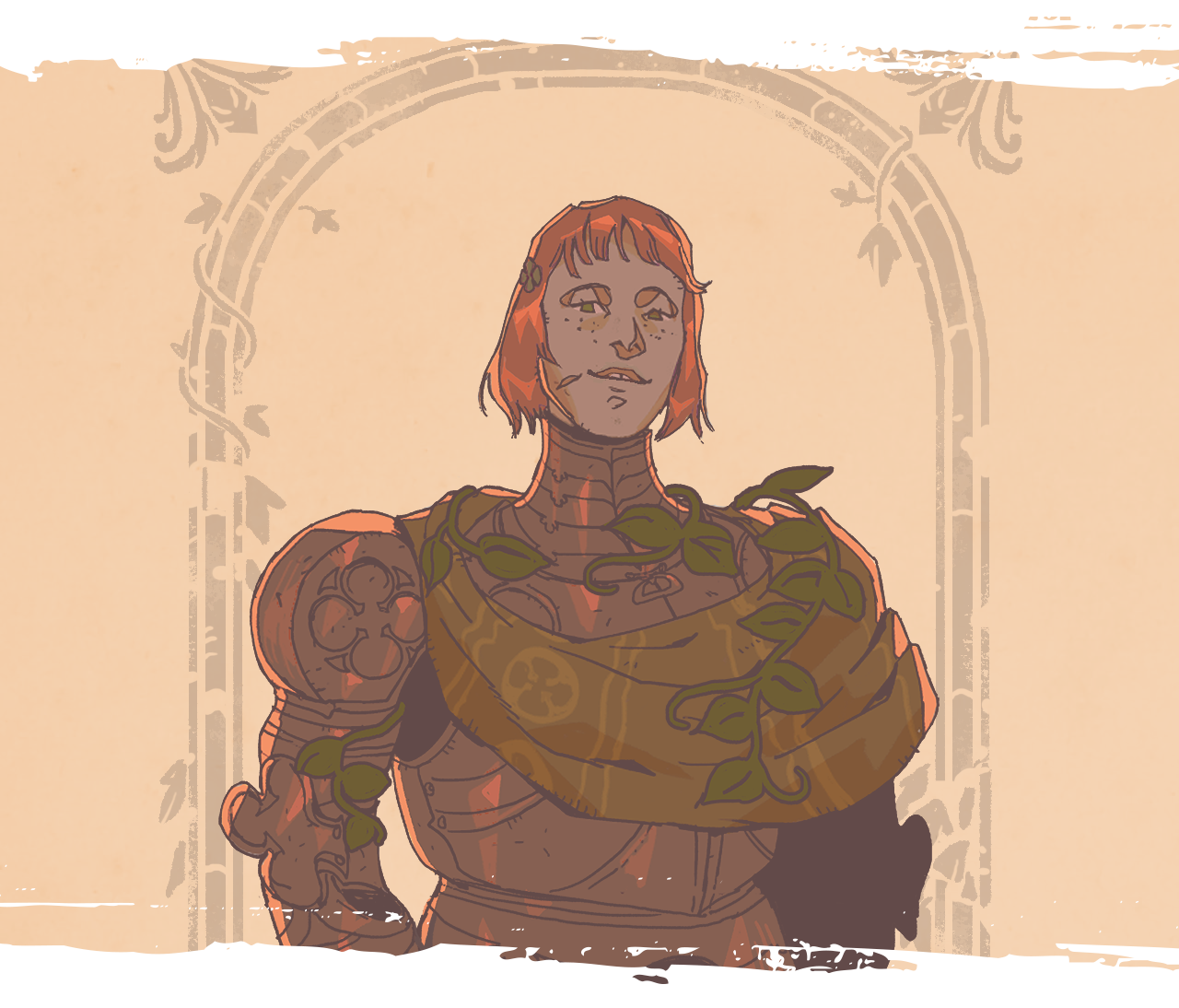
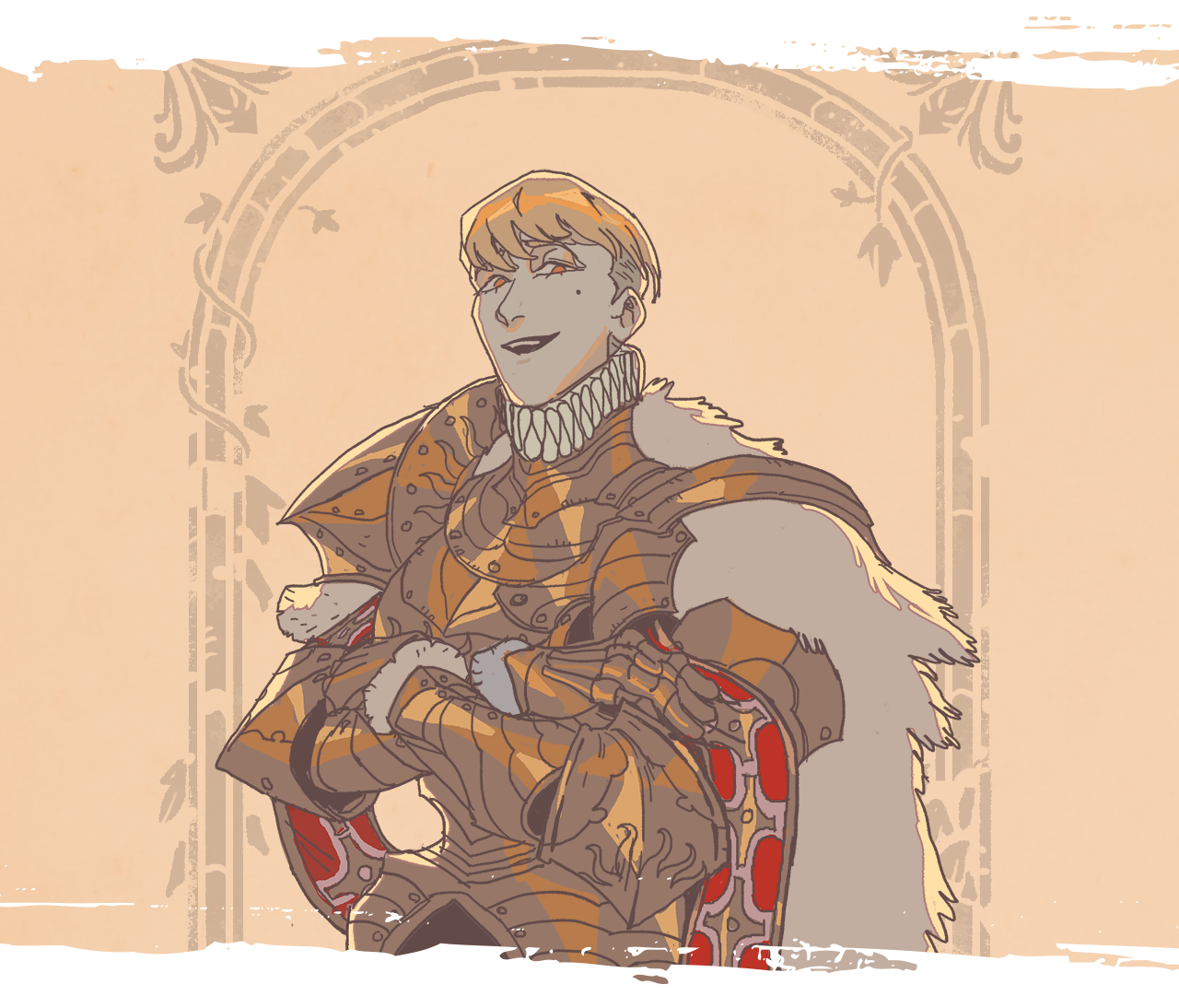
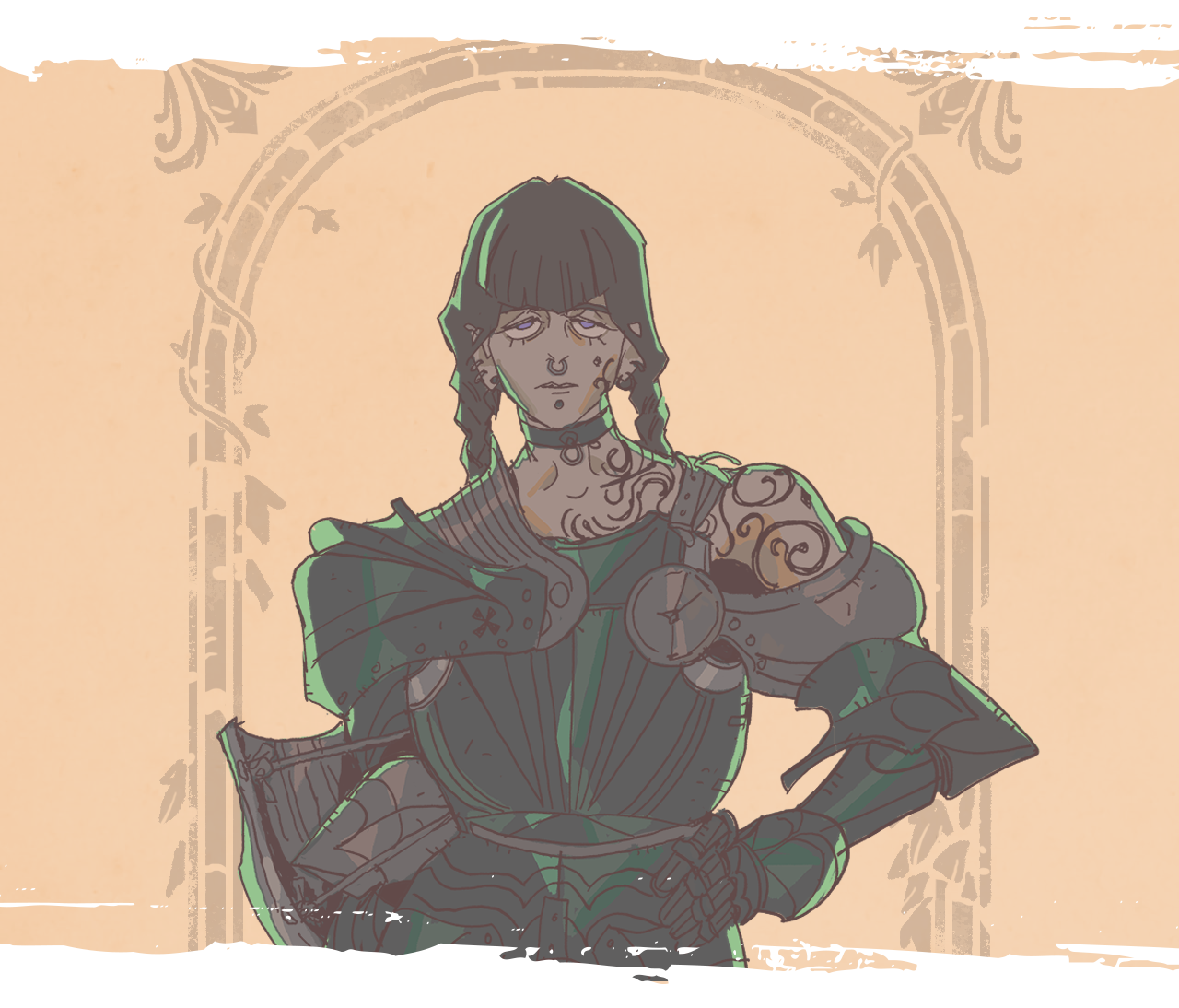
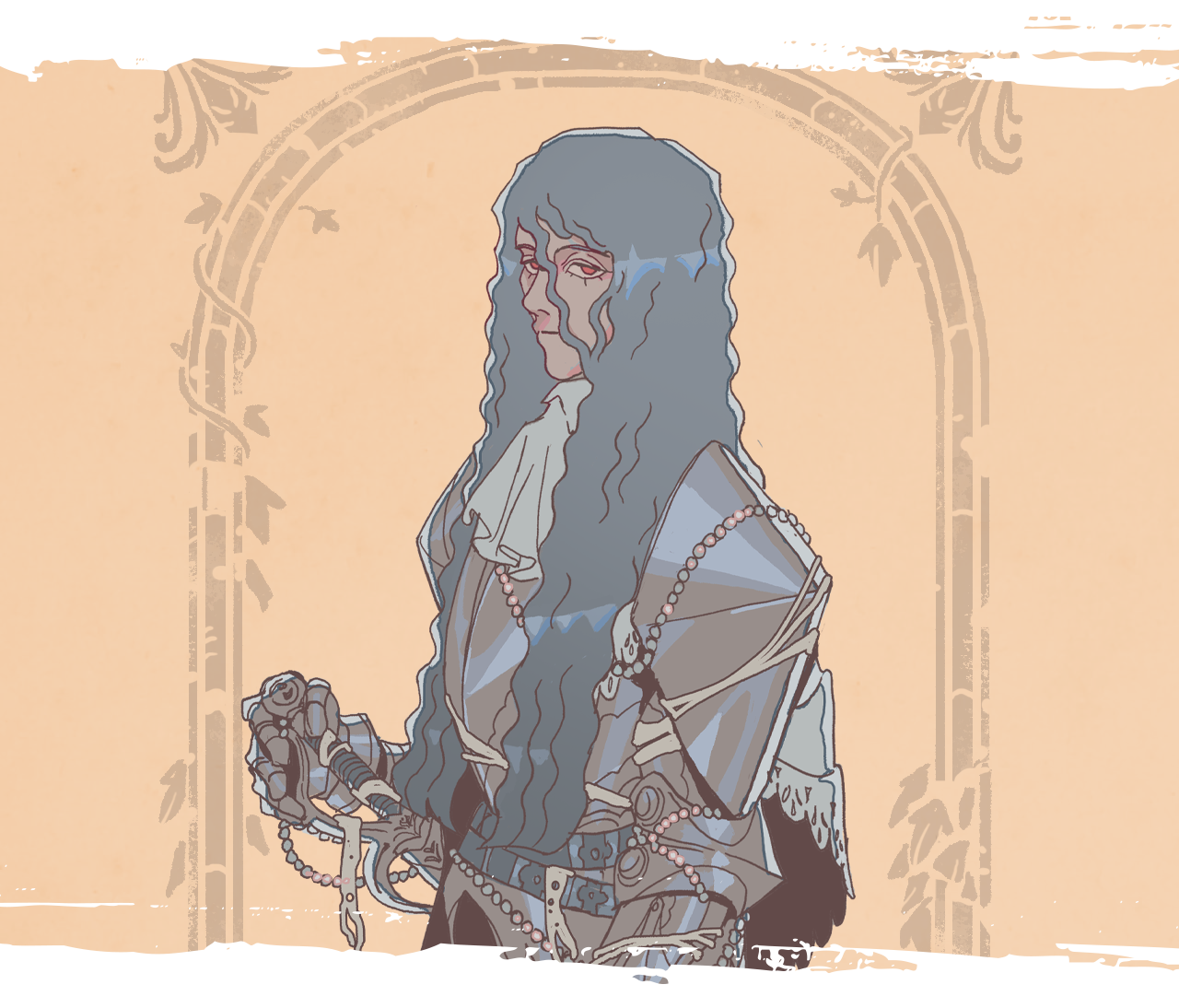
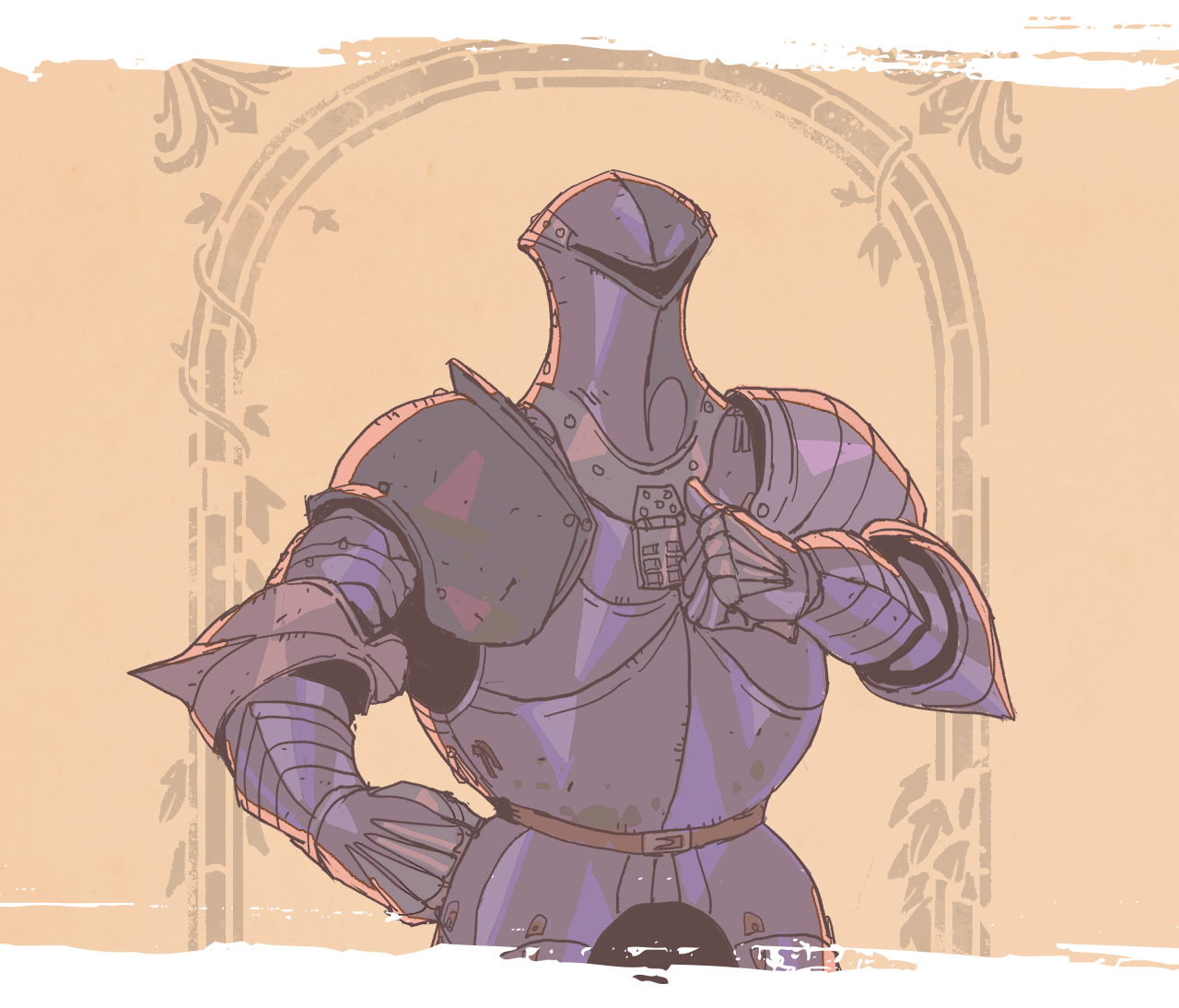
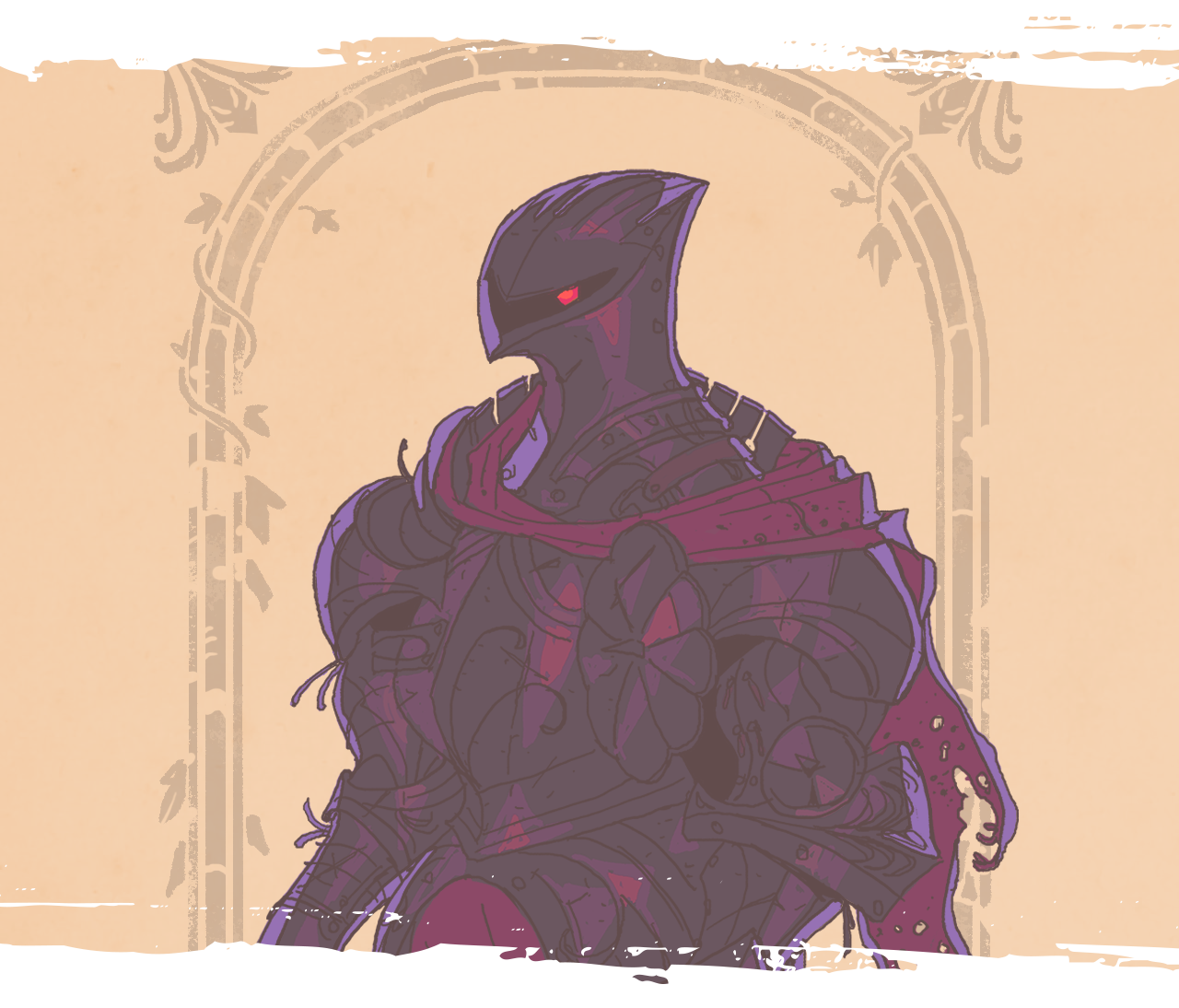
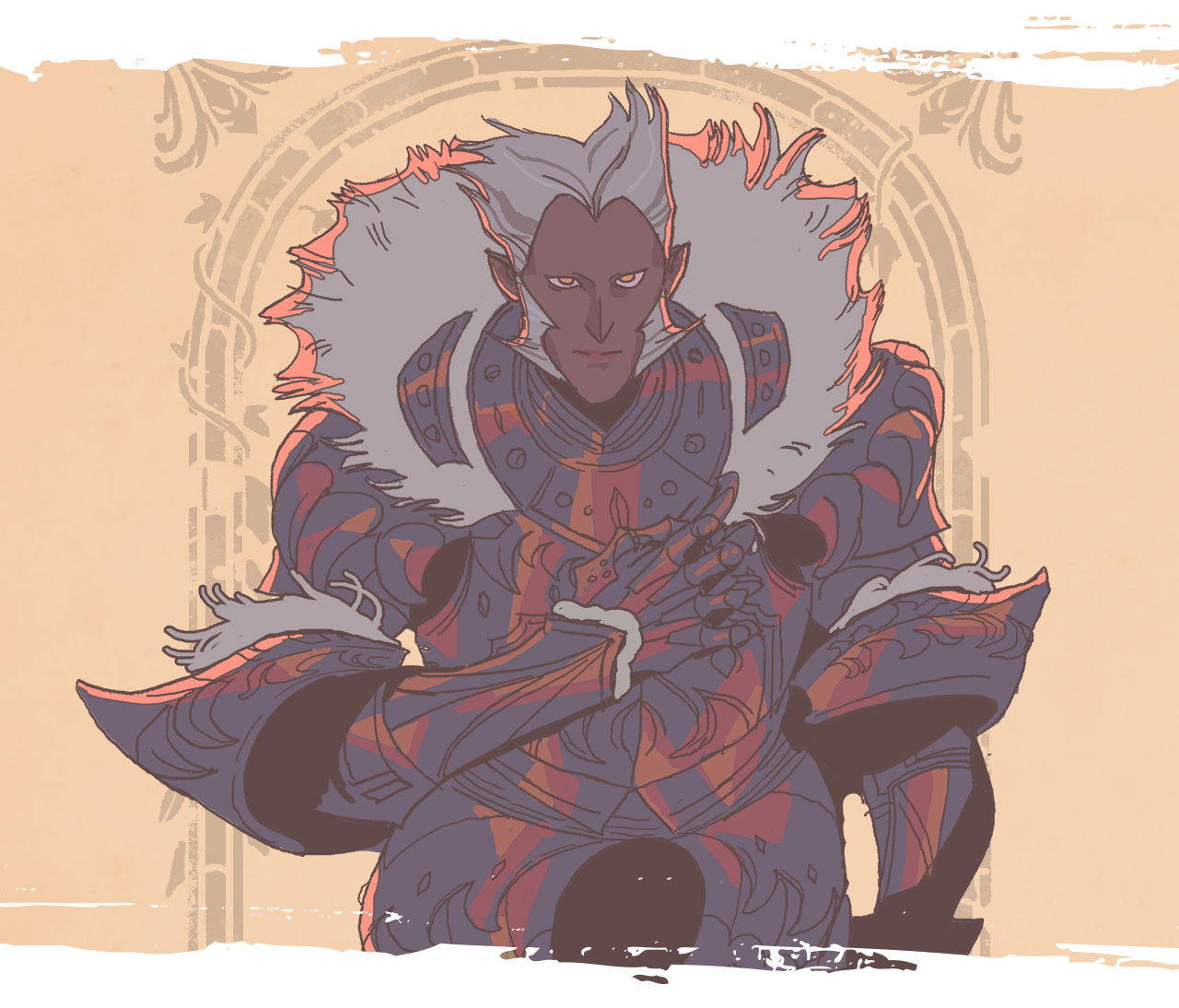
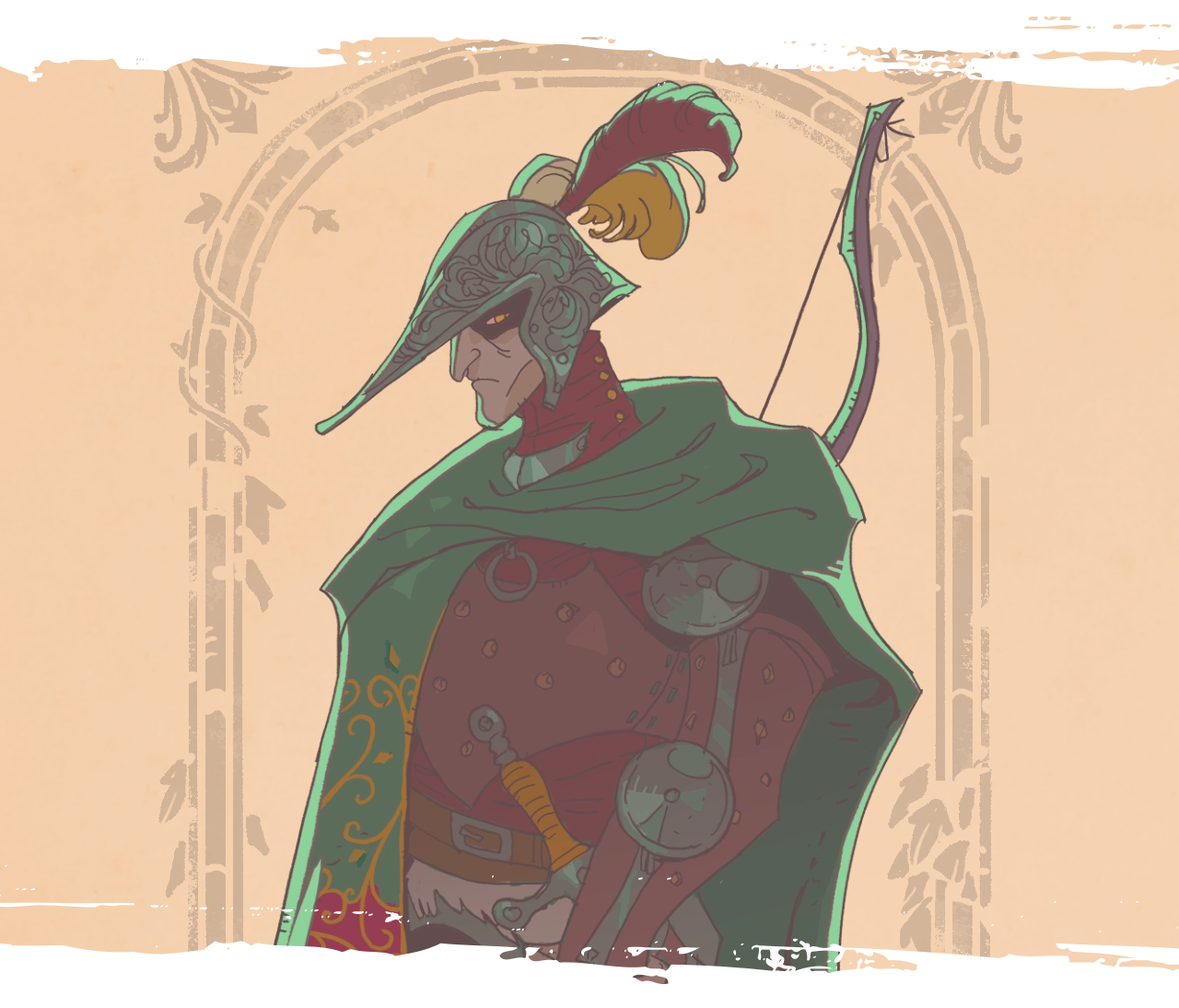
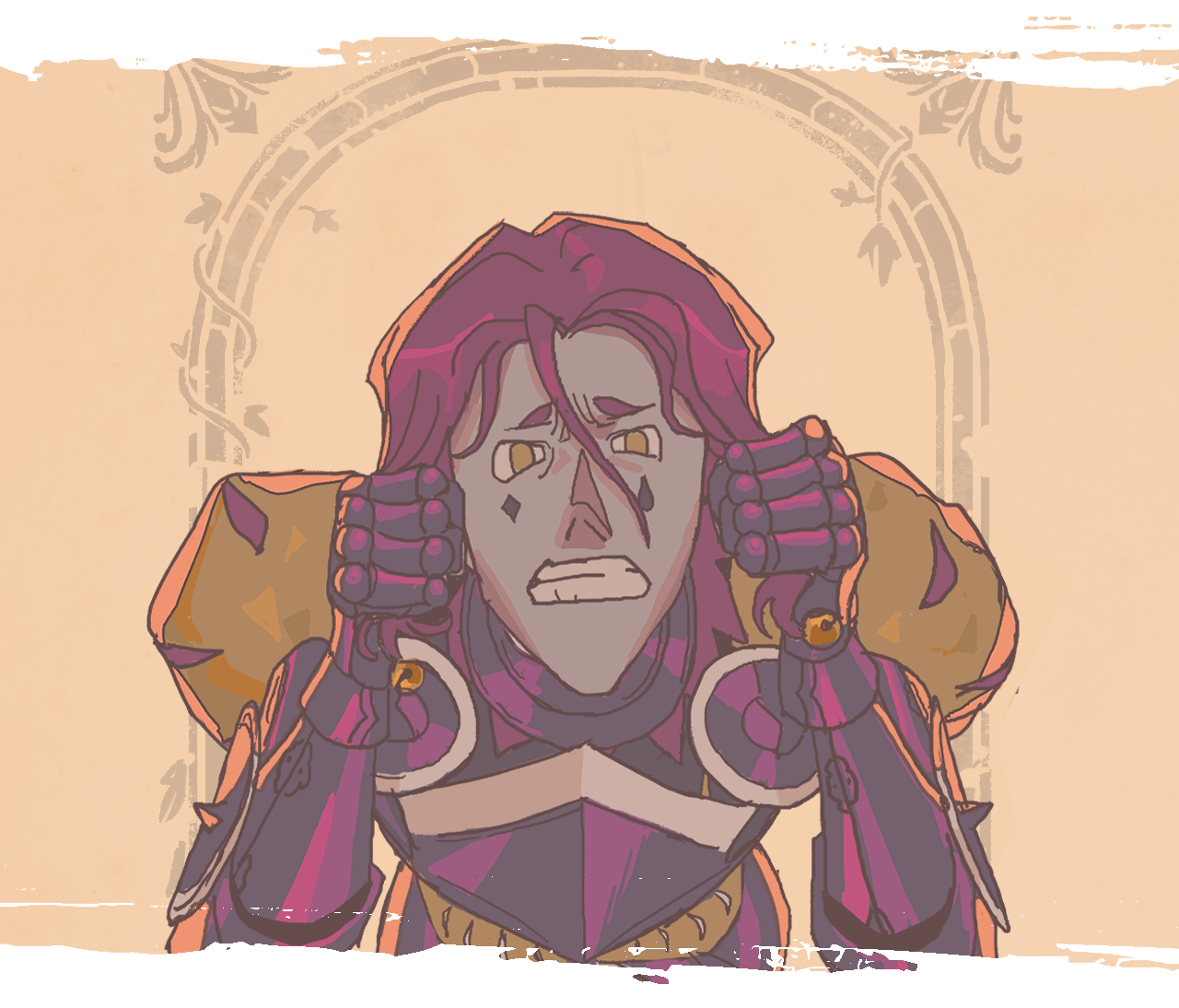
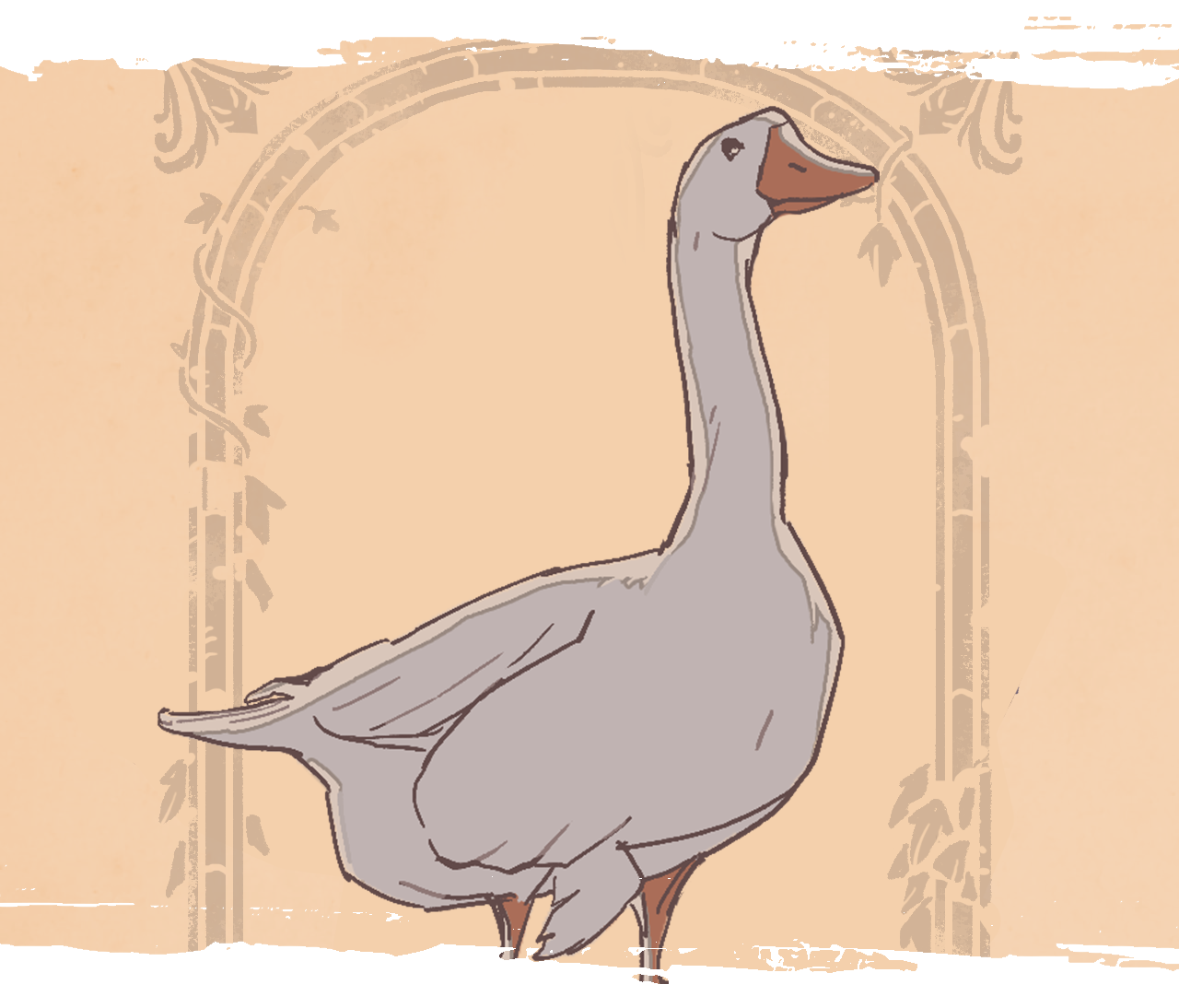
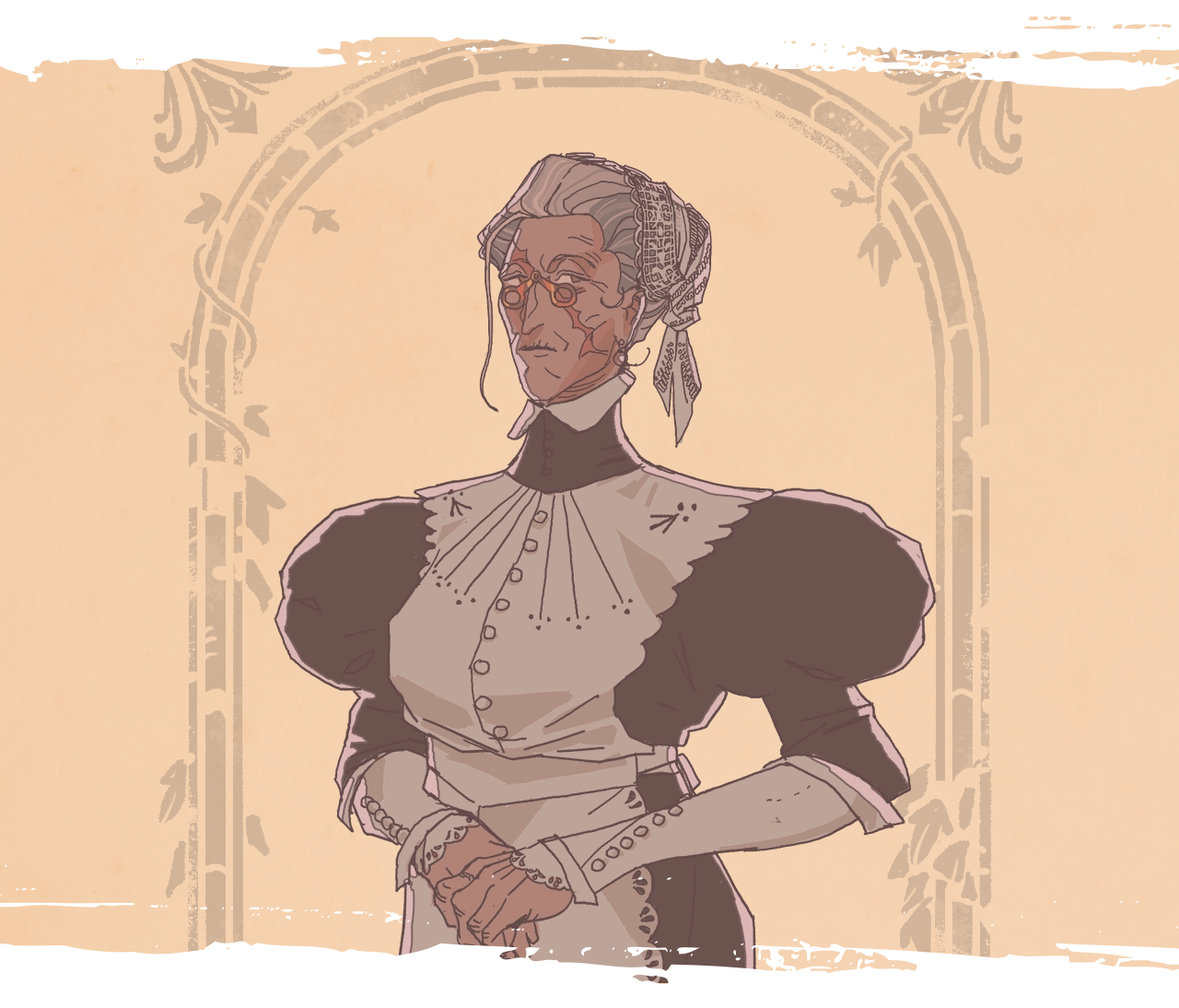
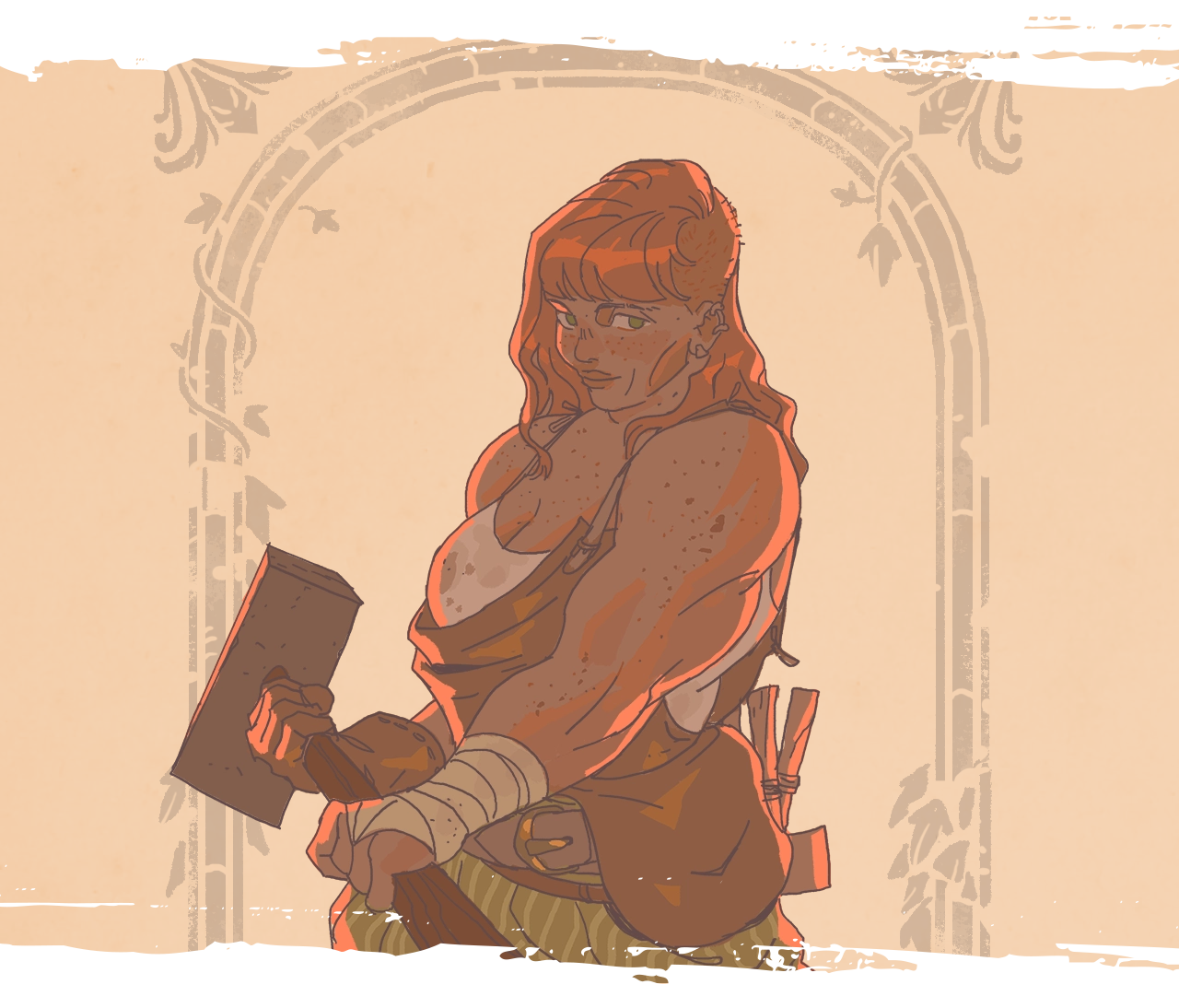
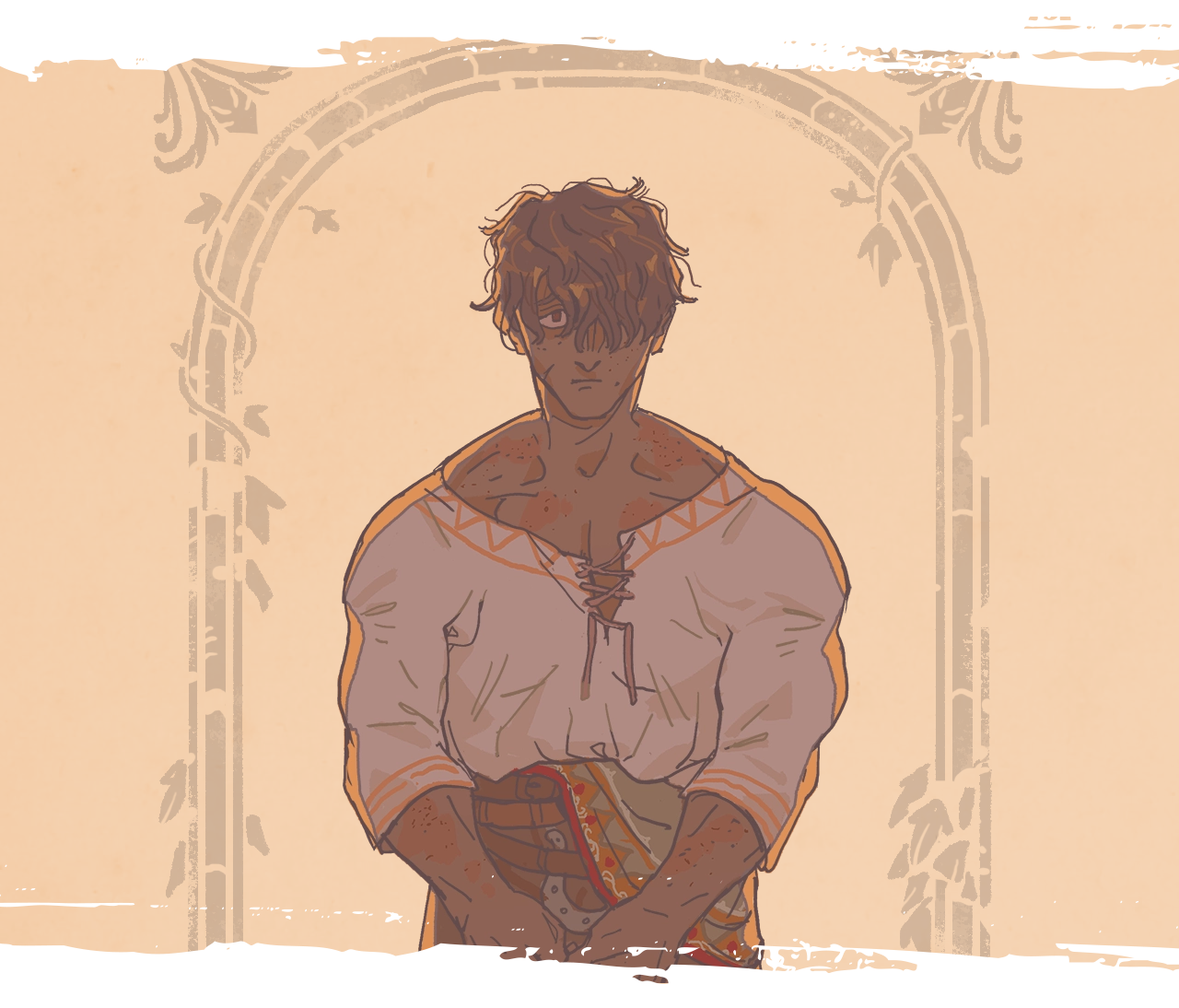
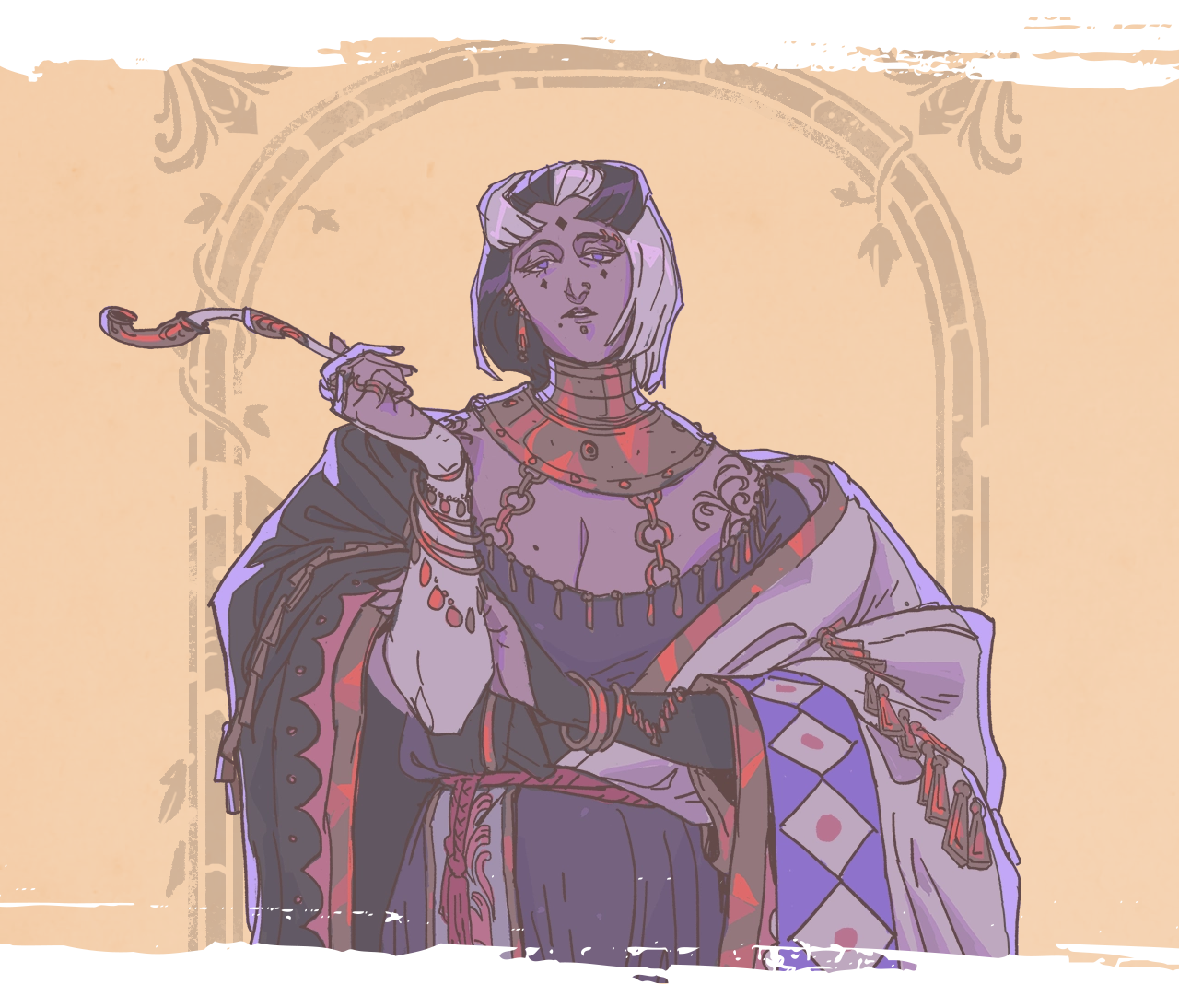
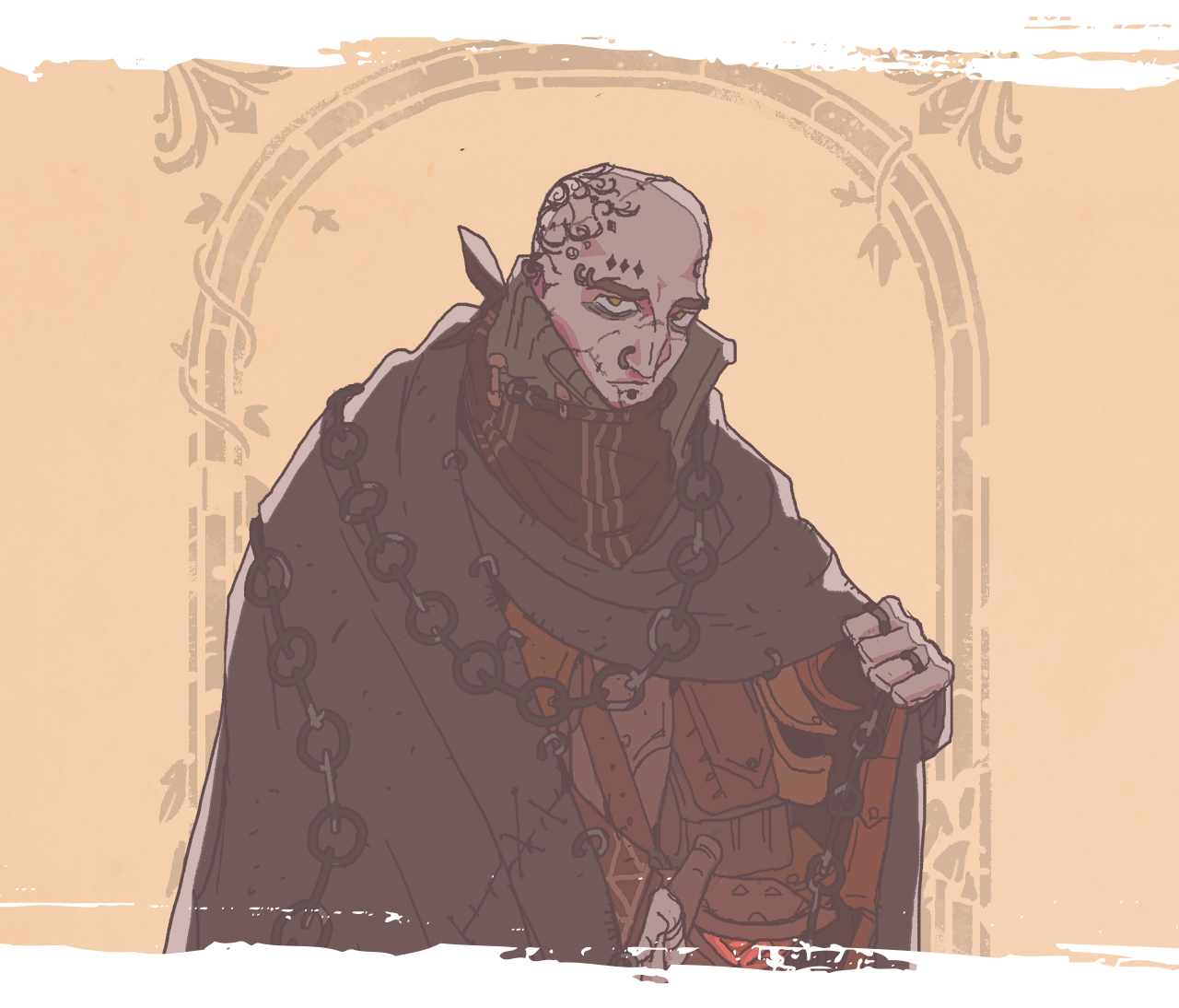
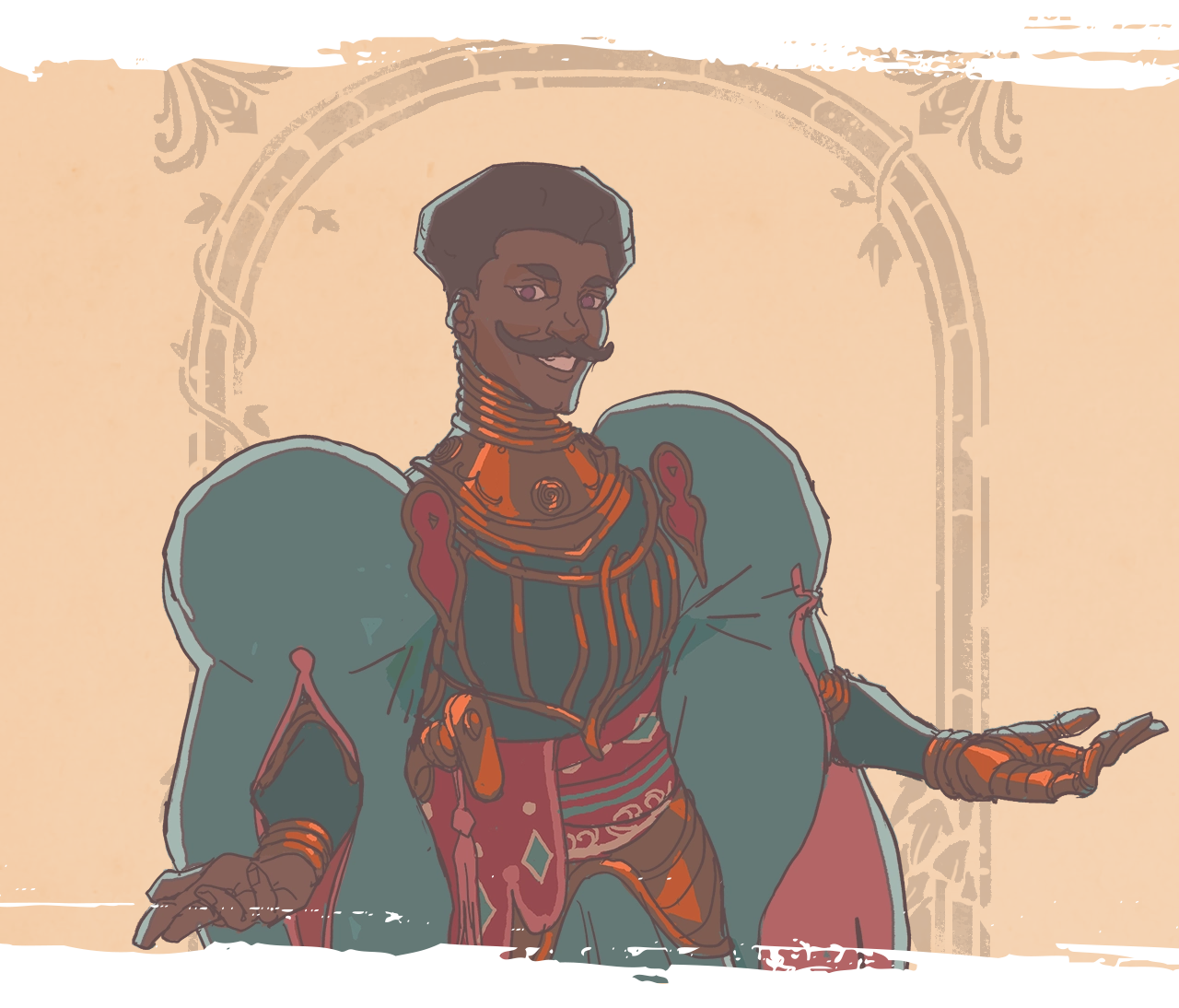
Use the selector to move between documented profiles without leaving the Round Table route. The selected stage pairs the person’s official portrait with the role, origin, and announcement description so that a Knight, a candidate, and a Tower servant are not flattened into one category. The role field is the clearest first comparison: some records are Knights, some are candidates or favour figures, and some are staff who support the Tower. The origin field is preserved where an announcement names one and the player-facing stage says when the official record leaves it unnamed.
These records come from the official Steam announcement series and carry the current release binding alongside their earlier demo-era appearances. That does not mean every launch character is here. The sealed research explicitly treats the set as sixteen documented records, not an exhaustive roster. It also does not expose a complete stat table for every profile, so the page stays with the published description instead of adding guessed affinities, quest values, romance meters, or recruitment conditions.
Knights and favour candidates
The Knight side of the collection is best read alongside the Gameplay assignment screen. The official product description names Strength, Agility, Charisma, Magic, and Wit as the attributes used by the Round Table, while the announcement portraits establish who has a documented identity. A profile description can reveal an attitude or preference—kindness, pride, work, or an unusual talent—without supplying the numeric attributes used for a particular quest. The selector therefore answers who is documented, and the assignment interface answers where the named attributes appear.
This separation is intentional for a released reference captured close to launch. A player can compare the published profile text and then return to the quest screen to make a selection based on the actual values shown in the game. The page does not infer a stronger Knight from a personality sentence, and it does not claim that an absent origin or field is a hidden fact. Each profile stage keeps its portrait and description bound to the exact media and record that support it.
Tower servants and the life of the building
Six named Tower servants make the collection broader than a recruitment list. Their records show how the Round Table is also a social place inside the Tower, with people connected to the building’s functions, atmosphere, and ongoing work. Reading these profiles alongside the Annexes tab makes the structure clearer: servants, crafting, equipment, abilities, and court functions belong to the same documented management frame. The page can describe that relationship without assigning an upgrade tier or a service role the announcement never states.
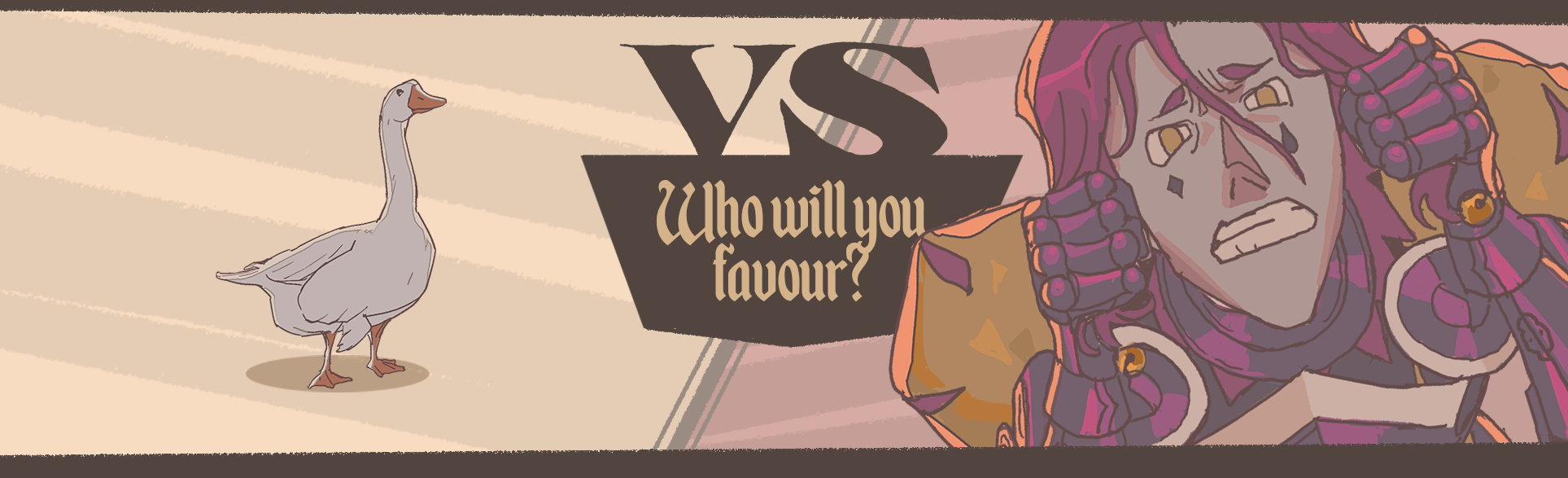
The official portraits are especially useful here because they preserve the distinction between a character announcement and a generic initials card. Every available profile image remains reachable in the workbench, and the contextual mast image stays separate from the selected record. A mobile reader can move through the complete selector and then read the chosen stage in normal document flow. That is a layout decision based on the sixteen-record collection, not a reusable character database template.
What this collection does not claim
The Round Table page does not claim a full launch census, complete recruitment conditions, or a profile-specific stat table. Those omissions are meaningful: the official announcement series supplies normalized names, roles, origins, and concise descriptions, but it does not publish every field a conventional wiki database might request. Keeping the collection finite and explicit lets the reader distinguish a confirmed announcement profile from a system mechanic that must be read in-game.
The same boundary protects version history. Profiles are linked to the demo and release records in the research data, while the Updates page handles dated announcements separately. A later release may add or revise a profile, but the current page still tells the reader which captured release boundary supports its description. Use the search deck to find a name, use the selector to restore a deep-linked profile such as Sagadin, and use Gameplay when the question is about quest attributes rather than identity.