




Four versions, four lanes
The Original itch demo lane begins on 15 January 2026 with the game announcement and early playable identity. The separate Steam demo lane begins on 16 April. The Expanded Steam Next Fest demo lane marks the 15 June build that added Act 0, two Act 1 main quests, and six supported languages. The Full release lane is dated 6 August and carries the current product, platform, and achievement boundary. These lanes are not cosmetic columns: their IDs are stored on every timeline record and remain visible in the rendered version headers.
A lane is useful when a feature description has moved through several announcements. Instead of treating the first mention and the released implementation as the same claim, the reader can open the lane, see the publication date, and keep the milestone attached to its source version. The timeline has 23 records across the four lanes, giving a compact route through the game’s public development without pretending that every social post is a separate product release.
Newest first, or start at the beginning
The default view shows the newest record first inside each version lane. The order control reverses every lane together, changes its aria-pressed state, and changes its label to Oldest records first so the action is clear to keyboard and screen-reader users. Reversal is local to the lane: the four version headers do not collapse into one list, and a dated record never crosses into another version because of sorting.
The chronological values come from the structured release timeline rather than from the order in which cards happen to be rendered. That makes the control deterministic and keeps the same 23 records available in both views. On mobile, the lanes can scroll inside their own bounded deck if needed, while the document itself remains within the viewport. The reader can therefore compare a release boundary without losing the title, date, or version label that gives it meaning. The control changes presentation order only; it does not rewrite dates, move records between builds, or imply a new release. This ordering view is designed for reference use when comparing announcements across the project history. Each entry remains attached to its original lane and keeps its published date visible.
Announcements and official video records
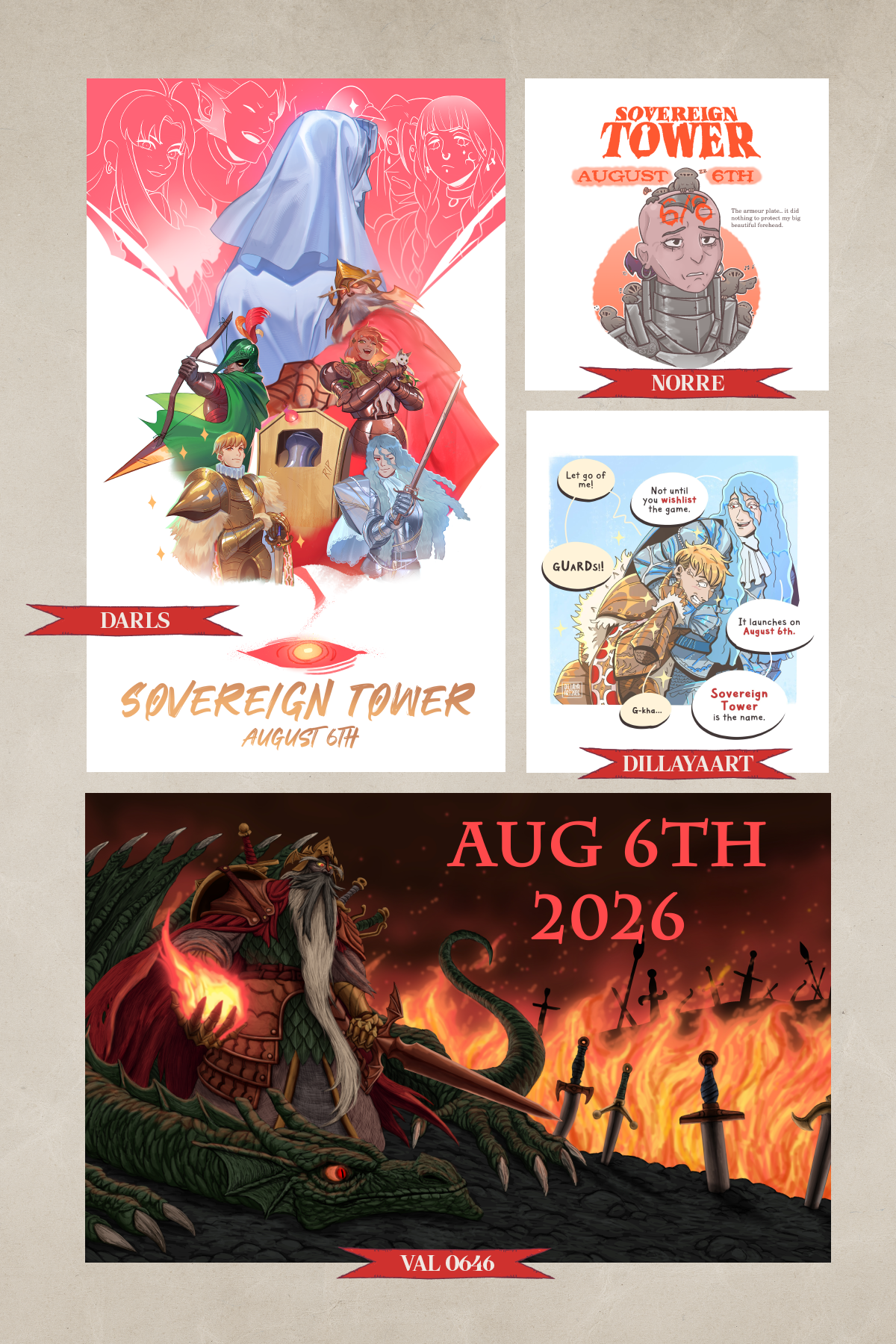
The timeline uses the official Steam announcement record as its spine and keeps the launch-era media that belongs to the Updates route separate from the Gameplay screenshot gallery. The manifest includes four official store trailers, with the version lanes exposing the relevant launch and demo-era video records. Images published with the release announcements remain attached to their matching route and are not reused as generic hero art on every page. The media records provide another way to follow the public history because each video belongs to a captured version context. They are presented as references, not as replacements for the written release records.
A video record links back to its official Steam media source and remains a source record rather than a claim that this reference owns the footage. The current site does not embed a made-up community video or infer a patch note from a title. When a player needs the complete announcement context, the official Steam and developer links in the footer are the reliable next step; the timeline’s role is to make the date and version boundary legible first. The separation between announcements and gameplay evidence keeps this route focused on chronology while the gameplay page handles system exploration.
The full release boundary
The 6 August lane is the point at which the product identity, Windows and Linux platforms, named supported languages, and the 75-record achievement dataset meet. Earlier lanes remain important because they explain the demo history and the way the management loop was introduced, but they are not substitutes for the released record. The page preserves those differences while allowing a player to scan one route rather than hunt through unrelated announcement pages.
This timeline is intentionally a version reference, not a promise of a future roadmap. It contains the 23 captured dated records and the media that the research bound to them. New official announcements can add a record with a new version ID or update the current release data, but the existing boundaries should remain stable. That is the reason the page labels current versus historical status in each lane and makes the release date visible at the top of the route.